Why we built this
Operation Squirrel began as a learning project. We set out to build a real autonomous system using affordable hardware — capable of dynamic payload delivery, values, and real-world constraints.
Along the way, a clear gap emerged: students rarely get meaningful exposure to how autonomy actually works outside of simplified kits and abstractions.
We built Operation Squirrel to close that gap. The platform is open, practical, and grounded in the same tools and tradeoffs used in modern robotics teams. It enables learners and researchers to tackle substantive problems quickly, while keeping the software fully adaptable for whatever they want to build next.
Our vision
Make real-world autonomy and AI systems accessible for education and research — without sacrificing realism, performance, or transparency.
Our mission
Equip students and educators with the tools, workflows, and systems needed to design, test, and deploy real autonomous systems.
Our values
Real Systems, Real Constraints.
Real sensors, real timing, and real failure modes — no abstractions, no toy kits.
Learn by Building
Students learn best by building, debugging, and iterating on real systems.
Transparency Over Abstraction
Open architectures and inspectable systems so learners can see how autonomy actually works under the hood.
Meet the team.
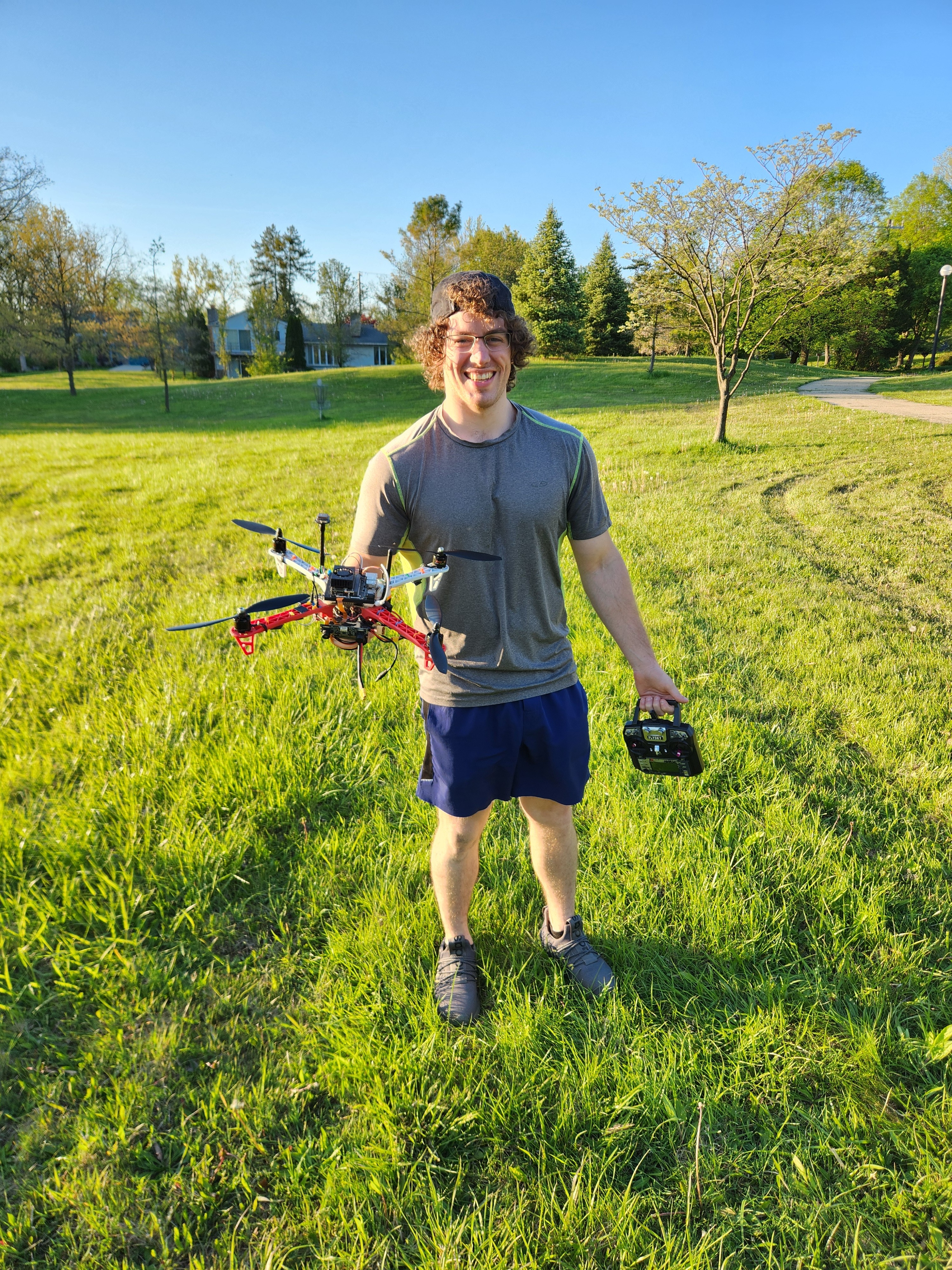
Cameron Rose
Founder & Lead Engineer
Cameron is an embedded software engineer focused on autonomy, control systems, and real-time robotics, with professional experience in safety-critical automotive systems. He holds a degree in Mechanical Engineering and is pursuing a Master’s in Computer Science.